Cement vs Concrete: Explained
Many people use the terms cement and concrete interchangeably, but they are not the same. Understanding the difference between concrete and cement is essential for anyone involved in construction, whether it’s homeowners, builders, or engineers. While both play a vital role in building strong structures, their composition, purpose, and usage are quite different.
What Is Cement?
Cement is a fine powder that acts as a binding material in construction. It is manufactured by heating limestone, clay, and other minerals at high temperatures and then grinding the resulting clinker into a fine powder. On its own, cement is not a building material—it must be mixed with other components to be useful.
When cement is mixed with water, it forms a paste that hardens over time. This hardening property makes cement an essential ingredient for creating concrete and mortar. High-quality cement, such as that produced by trusted brands likeCement, ensures better strength, durability, and long-term performance in construction.
What Is Concrete?
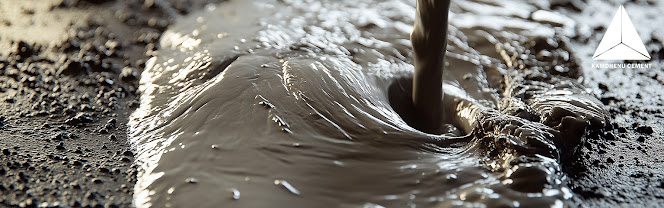
Concrete is a composite construction material made by mixing cement, sand (fine aggregates), gravel or crushed stone (coarse aggregates), and water. Cement acts as the glue that binds the aggregates together, while water activates the cement, allowing the mixture to harden and gain strength.
Concrete is widely used for constructing buildings, roads, bridges, foundations, slabs, and many other structures. Its strength, versatility, and durability make it one of the most commonly used materials in the construction industry.
Key Differences Between Concrete and Cement
The main difference between concrete and cement lies in their role and composition:
-
Nature: Cement is an ingredient, while concrete is the final construction material.
-
Usage: Cement is used to make concrete and mortar; concrete is used to build structures.
-
Composition: Cement is a manufactured powder, whereas concrete is a mixture of cement, aggregates, and water.
-
Strength: Cement alone is not strong enough for construction, but concrete gains high compressive strength when properly mixed and cured.
In simple terms, cement is a part of concrete, but concrete is much more than just cement.
Why Cement Quality Matters in Concrete
The performance of concrete largely depends on the quality of cement used. Poor-quality cement can weaken the concrete, leading to cracks, reduced durability, and higher maintenance costs. This is why choosing a reliable cement brand is crucial for any construction project.
Kamdhenu Cement focuses on consistent quality and strict manufacturing standards, helping ensure that concrete made with its cement delivers superior strength and long-lasting performance.
Common Misconceptions
A common misconception is that sidewalks, buildings, or floors are made of cement. In reality, they are made of concrete. Cement alone would not be able to withstand heavy loads or environmental stress. Understanding this difference helps in making better decisions when planning construction or purchasing materials.
Conclusion
The difference between concrete and cement is simple yet important. Cement is a binding ingredient, while concrete is the strong, durable material used in construction. Knowing how they work together helps ensure better construction quality and long-term structural safety.
By choosing high-quality cement from trusted manufacturers like Kamdhenu Cement, builders and homeowners can create concrete structures that stand strong for years to come.

Comments
Post a Comment